













Matching a hire car to your passengers and luggage
Tell the team how many people will travel and how many cases, buggies or bulky bags you expect. Seating and boot space are separate questions. Say whether you need an automatic or are happy with a manual, and mention any child seat request early so it can be checked before you are quoted. Include details for every driver who may take the wheel.
Finding a car to suit the trip
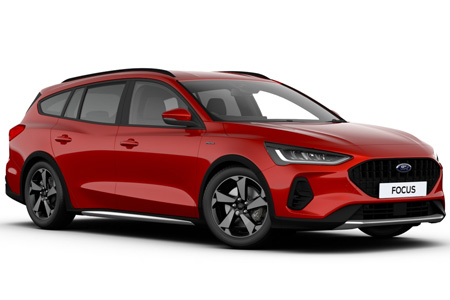
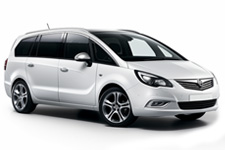
Start with the journey and pick the car to match it. Smaller cars are suited to city driving and short stays, automatics make local driving easier, estates and SUVs give more room for luggage, and people carriers are a better choice for families or small groups. The range available includes the Fiat 500, VW Golf, Ford Focus Estate, Ford Focus Automatic and Hyundai i10 Automatic, subject to dates, driver details and availability. The precise make, model, transmission, seating, payload and licence position are confirmed when you are quoted, so treat the vehicles listed as a guide to the kind of hire on offer rather than a guaranteed reservation of a particular model.
Sharing Your Trip Details With Others
Who else needs to know the plan? If family members, colleagues or friends are travelling with you, it helps to circulate one version of the trip details rather than answering the same questions separately. Jot down the hire dates, the collection or delivery arrangement, the number of seats you expect to use and the rough timings for each part of the journey. Ask each person to confirm whether they are definitely coming, since a headcount agreed a week in advance can change on the day. If someone has a pram, wheelchair or bulky equipment, ask them to describe it early so it can be mentioned when you enquire. You might also record who is bringing what, so bags are not duplicated or forgotten. Where timings are still undecided, flag them as provisional when you pass the details on, and update the group once the booking is confirmed.
Keeping a Day Plan That Can Flex
What happens if the schedule shifts halfway through the day? A plan with some slack in it tends to be more useful than one fixed to the minute. Try listing the appointments or stops in order of importance, then mark which ones could be moved or dropped if the morning runs long. Note the expected finish time for each stop, plus any window during which you must be somewhere specific, such as a collection time for a passenger. If the car is needed back by a certain hour, write that down too so it sits at the top of the plan rather than in a message thread. Sharing the flexible version with your passengers keeps everyone working from the same page. Where a stop depends on another person being ready, note their contact number so you can check ahead before setting off.
Explore other car hire areas
What to confirm on the phone
Before you confirm the hire, check the key details: vehicle availability, driver requirements, mileage, insurance, delivery or collection arrangements and any extras you have asked for, along with driver age, licence history, the deposit, the insurance excess and any travel abroad. A clear request gives the date, the length of hire, the rough route, the delivery or pickup address, the expected passengers or load, and any particular requirements that might affect which vehicle is suitable.