




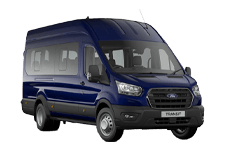

Planning seats, bags and drivers for a group
Give the confirmed passenger number rather than a best guess. List luggage, sports kit or equipment separately, because a full seat count can leave little room for bags. Agree one clear meeting point for the group before travel. Share the intended driver's age and licence details when you enquire, so the team can check eligibility for the size of minibus before quoting.
How the right vehicle is confirmed
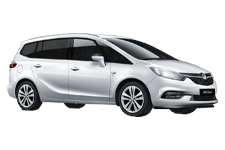
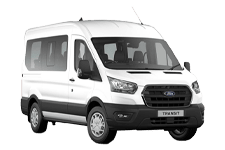
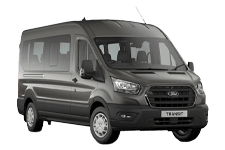
Base your choice on how many passengers are travelling, the luggage and who is eligible to drive. Smaller groups may be well served by a 7 or 9-seater, whereas 12, 15 and 17-seat vehicles call for closer checks on licence, age and luggage space. The range includes the Vauxhall Zafira 5 + 2, Galaxy 7 Seater Manual, Galaxy 7 Seater Automatic, 9 Seater Manual and 9 Seater Automatic, depending on dates, driver details and availability. Make, model, transmission, seating, payload and licence position are all confirmed when you are quoted, so treat the vehicles listed as a guide to the kind of hire on offer, not a guaranteed reservation of a particular model.
Listing Equipment and Kit Separately
Sports teams, bands and school groups often travel with far more than personal bags, so a separate equipment list is worth drafting early. Note each category of kit, the rough number of pieces within it, and any items that are unusually long, tall or heavy. Goalposts, instruments, display boards and catering boxes all take up room in ways that ordinary luggage does not. For each piece, jot down whether it comes in its own case or travels loose, and whether anyone at the far end needs to receive it. If some equipment belongs to a third party, such as a club or venue, record their contact details in case arrangements need confirming on the day. Keep this list distinct from your passenger count so the two can be discussed separately. Sharing it when you enquire gives the team a clearer sense of the space the group will need.
Counting People and Bags as Two Lists
It is easy to conflate passengers and luggage when planning group travel, yet treating them as two separate counts usually produces a better outcome. Start with the people: write down every traveller, including any who might join late or drop out, and note their ages if children are involved. Then move to the bags, recording each person's suitcase, holdall or backpack, plus any shared items such as pushchairs or presentation equipment. Some groups discover that one list grows while the other stays fixed, which is exactly why they should be kept apart. Ask yourself whether every passenger will definitely travel both ways, and whether any luggage will be left behind or collected during the trip. Presenting both counts to the team, clearly separated, helps them confirm the right vehicle and driver requirements without guesswork.
Explore other minibus hire areas
Things to check before booking
Ahead of confirming the hire, go over the key points: whether the vehicle is available, what the driver needs, mileage, insurance, delivery or collection arrangements and any extras you have asked for. The number of passengers, luggage, driver age, licence entitlement and any D1 requirement should all be checked before the minibus is confirmed. A clear enquiry gives the date, length of hire, rough route, delivery or pickup address, expected passengers or load, and any special requirements that might affect whether a vehicle is suitable.