
Details to confirm before a truck or lorry quote
Describe the load by weight, dimensions and packing, whether palletised, loose or crated. Ask the recipient whether unloading will be by forklift, at a loading dock or by hand, and whether their site has height, length or weight limits for delivery vehicles. Provide driver licence details and say whether the hire is for business use, so the team can confirm driver and operator requirements with you before booking.
Picking a suitable truck
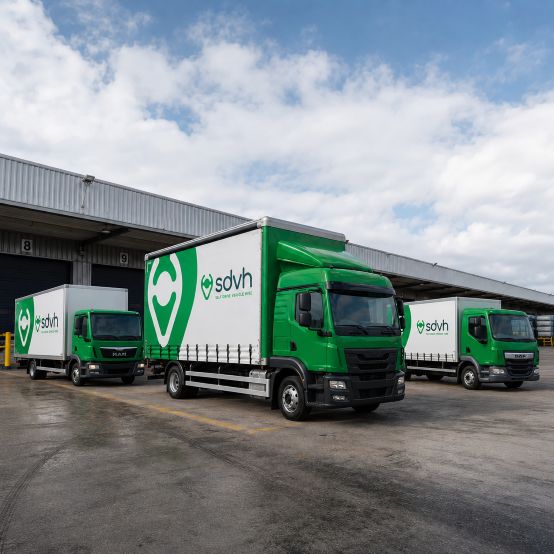
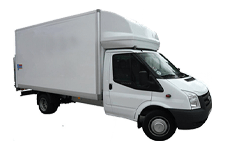
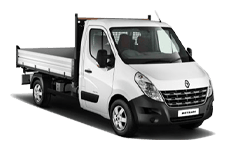
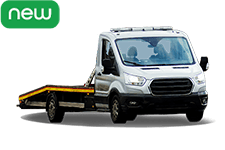
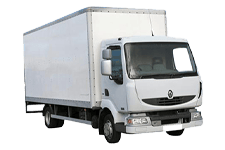
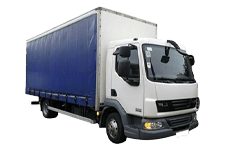
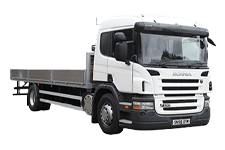
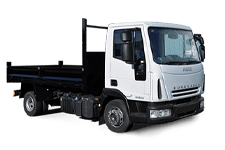
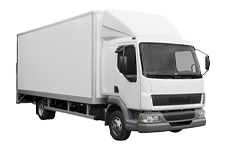
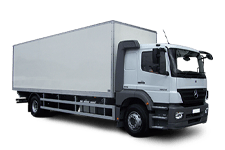
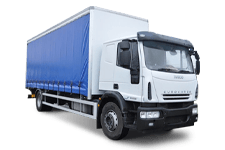
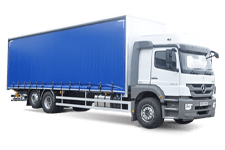
Weight, body type and access should shape your choice of truck. A tail-lift box suits heavier loads that need handling, a curtain-side works well for palletised deliveries, a dropside helps with site access, and bigger trucks may need operator licence checks. Depending on dates, driver details and availability, the range covers the Ford Luton 3.5 Tonne Box with Tail Lift, 3.5 Tonne Tipper Transit Truck, 3.5 Tonne Recovery Truck, 7.5 Tonne Box Truck With Tail Lift and 7.5 Tonne Curtain Side Truck. Because the exact make, model, transmission, seats, payload and licence position are only confirmed at quote stage, the vehicles listed show the type of hire available and are not a guaranteed reservation of a specific model.
Matching Equipment to Your Load
Deciding what to tell the team about your load is a judgement best made from written details rather than guesses. If your items are palletised, note the pallet count and dimensions; if they are loose or boxed, record the heaviest single piece. Describe how the load is currently packed and whether anything sits on a level base. Ask the team which vehicles in their range suit each situation and what the loading arrangements imply for your booking. It is also worth recording who will be present to receive goods at the destination. These notes give the team something concrete to check against the available options.
Describing the Load Accurately
An accurate load description is the foundation of any truck booking, so it pays to be methodical. Measure the longest, widest and tallest items, count the total pieces, and note the combined weight if you have it, flagging any figure that is an estimate. Describe how the load is packed, whether in boxes, on pallets, in crates or loose, and mention anything fragile or irregularly shaped. Record the addresses at both ends along with access notes, such as gates, slopes or limited turning space, that you have observed or been told about. When you enquire, include your dates and route alongside these details, and ask what further information the team needs. A precise description reduces the chance of follow-up delays and keeps the conversation focused on the right vehicle class.
Explore other truck hire areas
Last checks before booking
Before you confirm your hire, check the essentials: vehicle availability, driver requirements, mileage, insurance, delivery or collection arrangements and any extras you have requested. Commercial truck hire also needs operator licence requirements, driver entitlement and delivery access confirmed, alongside mileage and insurance arrangements, before the hire is agreed. A clear request includes the date, the length of hire, the approximate route, the delivery or pickup address, the expected passengers or load, and any special requirements that could affect which vehicle is suitable.