
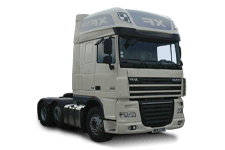
Details to confirm before a truck or lorry quote
Describe the load by weight, dimensions and packing, whether palletised, loose or crated. Ask the recipient whether unloading will be by forklift, at a loading dock or by hand, and whether their site has height, length or weight limits for delivery vehicles. Provide driver licence details and say whether the hire is for business use, so the team can confirm driver and operator requirements with you before booking.
How the right vehicle is confirmed
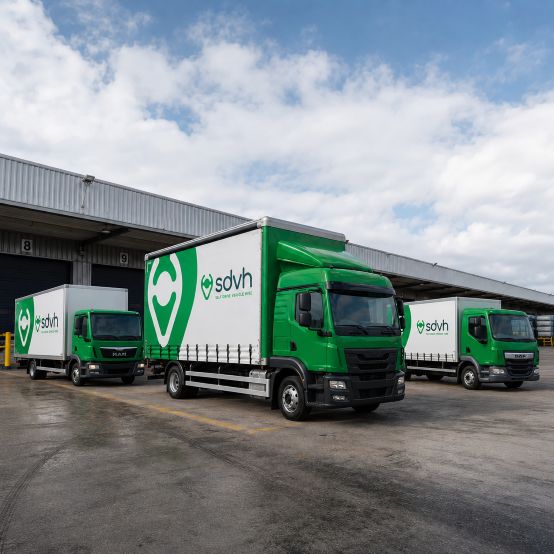
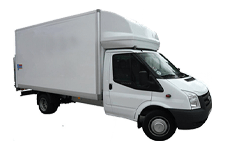
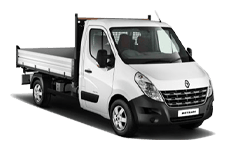
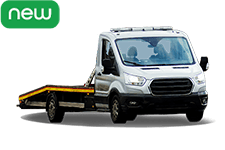
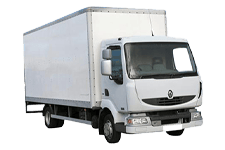
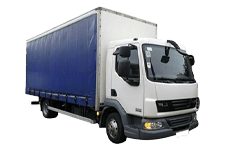
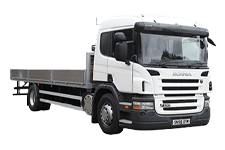
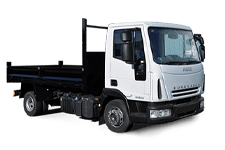
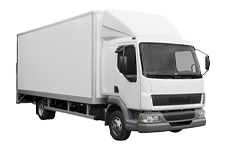
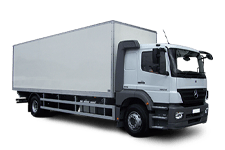
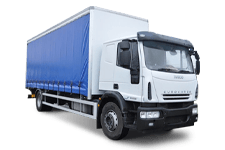
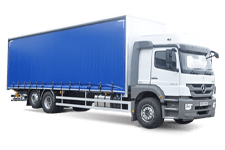
Before picking a truck, look at the payload, the loading height and how the site can be reached. Palletised goods may point towards a curtainsider or a box with a tail lift, whereas building materials and awkward loads may call for a dropside, a tipper or a specialist check. Subject to dates, driver details and availability, the range includes the Ford Luton 3.5 Tonne Box with Tail Lift, 3.5 Tonne Tipper Transit Truck, 3.5 Tonne Recovery Truck, 7.5 Tonne Box Truck With Tail Lift and 7.5 Tonne Curtain Side Truck. The exact make, model, transmission, seats, payload and licence position are all confirmed at quote stage, so treat these vehicles as a guide to the kind of hire on offer rather than a guaranteed reservation of a particular model.
Preparing a Written Load Inventory
Before requesting a quote, write out a full list of everything that will travel on the truck, grouped by collection point if there is more than one. Against each item, note its approximate length, width and height, since measurements are far more useful than names when the team is working out which vehicle to offer. Record the number of pallets, crates or loose pieces, and flag anything that is an unusual shape or particularly long. Add the collection and delivery dates, along with contact numbers for people at both ends. If some items might be added or dropped from the job later, mark those as tentative on the list. Reading this inventory over the phone gives the team a clear picture and lets them ask follow-up questions before anything is confirmed.
Noting Items That Need Extra Handling
Go back through your inventory and mark anything that cannot simply be lifted by the people you have available, whether because of its shape, its size or its value. For each of these, write down whether you expect to supply your own equipment or whether you want to ask the team what they can provide, keeping the question open until you have spoken to them. Record how many people will be present at each end and whether any of them have restrictions on what they can move. Note fragile or high-value goods separately, with a description and an estimated replacement value if that is easy to obtain. These details are worth raising when you call, because they may affect which vehicle the team suggests or what they need to arrange before your booking date arrives.
Explore other truck hire areas
Things to check before booking
Go over the key points before you confirm a hire: vehicle availability, driver requirements, mileage, insurance, delivery or collection arrangements and any extras you have asked for. A commercial truck booking needs more than a date and a postcode, so make sure licence entitlement, the purpose of the hire, the route, loading equipment, access restrictions, mileage and any operator requirements are confirmed before you commit. A useful request gives the date, how long the hire will last, a rough route, the delivery or pickup address, the passengers or load you expect and any special requirements that might affect which vehicle is suitable.