









Matching a hire car to your passengers and luggage
Tell the team how many people will travel and how many cases, buggies or bulky bags you expect. Seating and boot space are separate questions. Say whether you need an automatic or are happy with a manual, and mention any child seat request early so it can be checked before you are quoted. Include details for every driver who may take the wheel.
Finding a car to suit the trip
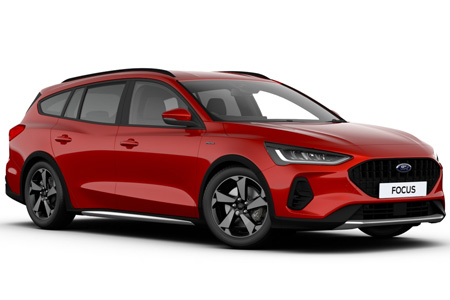
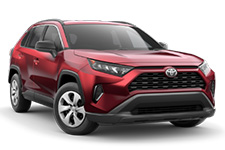
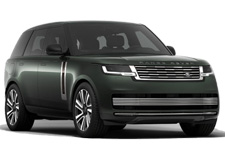
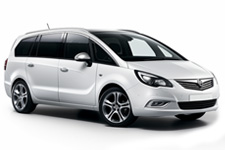
Start with the journey and pick the car to match it. Smaller cars are suited to city driving and short stays, automatics make local driving easier, estates and SUVs give more room for luggage, and people carriers are a better choice for families or small groups. The range available includes the Fiat 500, VW Golf, Ford Focus Estate, Ford Focus Automatic and Hyundai i10 Automatic, subject to dates, driver details and availability. The precise make, model, transmission, seating, payload and licence position are confirmed when you are quoted, so treat the vehicles listed as a guide to the kind of hire on offer rather than a guaranteed reservation of a particular model.
Keeping a Flexible Day Plan
One of the first choices worth settling is how fixed your schedule will be. If your day could shift, perhaps a viewing overruns or a meeting moves, note the earliest start and latest finish you could realistically face before requesting a car. Jot down each planned stop, roughly how long you might spend there, and whether any appointment carries a hard cut-off. Recording this on paper gives you something to compare against the hire dates you pass to the team. You might also decide who travels with you and how much luggage or equipment accompanies each person, since a written list helps when weighing an estate against a people carrier. Where a stop involves another party, keeping their contact details to hand means you can ask about arrival windows or parking arrangements directly and adjust your plan before it is set in stone.
Preparing Questions Before a Quote
Before asking for a price, it helps to draft the questions you want answered. You could start with the basics: which vehicle groups might suit your dates, whether collection or delivery fits your arrangements, and what driver details the team needs from you. If you are weighing a compact automatic against an estate, write down what matters most, perhaps boot space for shopping or room for a pushchair, and ask how each option compares. It is also worth listing anything uncertain, such as whether your licence category covers the group you prefer or how fuel is handled at the end of the hire. Keeping these questions together means one conversation covers everything, and you will have a clear record of what was agreed. If circumstances change later, that note also helps you frame any follow-up queries quickly.
Explore other car hire areas
What to confirm on the phone
Before you confirm the hire, check the key details: vehicle availability, driver requirements, mileage, insurance, delivery or collection arrangements and any extras you have asked for, along with driver age, licence history, the deposit, the insurance excess and any travel abroad. A clear request gives the date, the length of hire, the rough route, the delivery or pickup address, the expected passengers or load, and any particular requirements that might affect which vehicle is suitable.