












Sizing a van around what you are moving
List the largest items with rough length, width and height, and give an estimate of total weight, because bulk and payload limit a van in different ways. Mention anything awkward, such as a wardrobe that cannot be dismantled or long timber. Describe loading at both ends, including stairs, lift access, distance from the kerb and whether anyone will help lift.
Fitting the van to your route
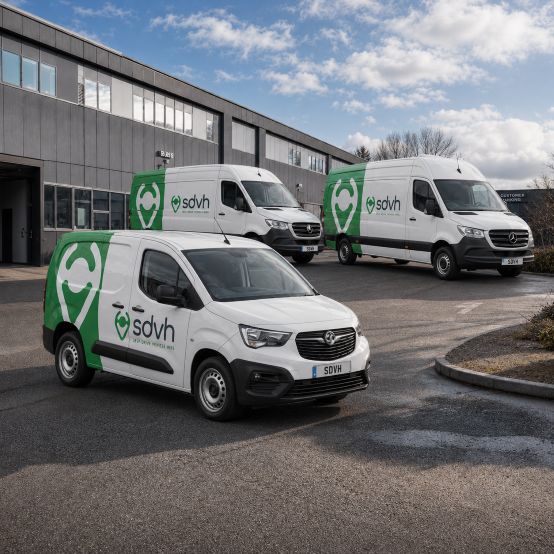
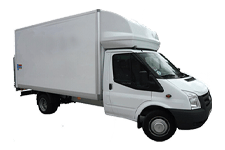
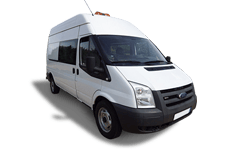
Start with the load, then choose the van. A small van works well for boxes, tools and light collections; medium and long-wheelbase vans suit furniture, stock and trade equipment; and a Luton is the better choice for bulkier items on a house move. Subject to dates, driver details and availability, the range includes the Volkswagen Caddy, Ford Transit SWB, VW Transporter Automatic, Ford Transit MWB and Ford Transit LWB. Make, model, transmission, seats, payload and licence position are all confirmed at quote stage, so treat these vehicles as a guide to the kind of hire on offer rather than a guaranteed reservation of a particular model.
Comparing One Trip with Several
Before you contact the hire team about a van in Kirklevington, spend a quiet half hour working out what the job actually involves. Walk through each room and note the bulky pieces first, since wardrobes, settees and shelving tend to dictate the space you need far more than bags and small cartons do. Once you have that outline, the conversation about whether a compact van, a Transit or something larger makes sense becomes much easier, and the team can also advise whether splitting the work over separate hires would work out more practical. Think as well about who will be there on the day, whether any items are wanted sooner than others, and how flexible the collection or delivery arrangements can be. Sharing those details up front helps avoid last-minute changes.
Allowing Time for Packing and Loading
The hours spent filling a van are often underestimated, so build generous room into your schedule rather than squeezing the job between other commitments. Packing tends to run smoothly when it is done in stages: awkward shapes wrapped and grouped together, softer items used to fill gaps, and anything fragile kept clearly apart from heavier goods. If friends or family have offered a hand, agree arrival times with them early, because loading goes far quicker with an extra pair of arms and someone steadying things at the doors. It also helps to think through where the van will sit at each stop and how far items must be carried. Mention your rough timings when you enquire, since the team can talk through hire periods and suggest an option that leaves you breathing space rather than racing the clock.
Explore other van hire areas
What to confirm on the phone
Before the hire is confirmed, go over the key points: whether the vehicle is available, the driver requirements, mileage, insurance, the delivery or collection arrangements and any extras you have asked for. Make sure payload, loading height, tail-lift needs, driver details, deposits and insurance excess are confirmed before you settle on a van size. A clear request gives the date, the length of hire, a rough route, the delivery or pickup address, the passengers or load you expect and any special requirements that might affect which vehicle is suitable.