



Details to confirm before a truck or lorry quote
Describe the load by weight, dimensions and packing, whether palletised, loose or crated. Ask the recipient whether unloading will be by forklift, at a loading dock or by hand, and whether their site has height, length or weight limits for delivery vehicles. Provide driver licence details and say whether the hire is for business use, so the team can confirm driver and operator requirements with you before booking.
How the right vehicle is confirmed
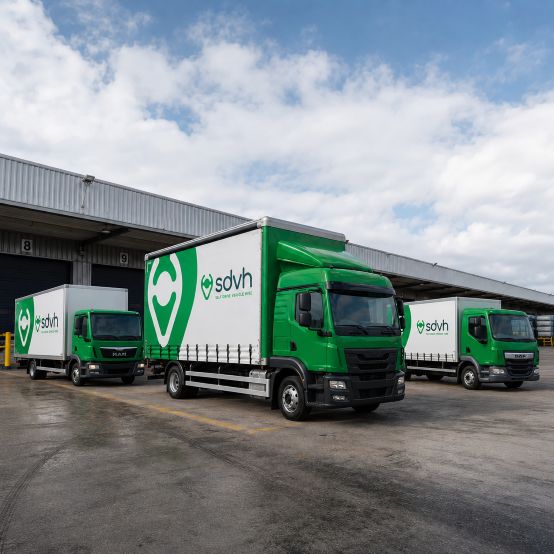
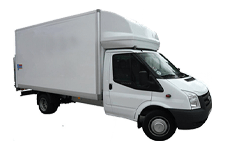
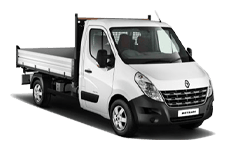
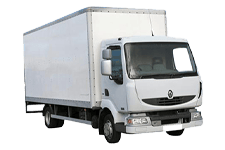
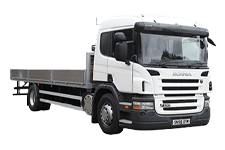
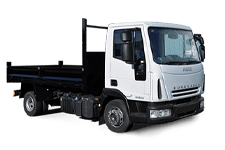
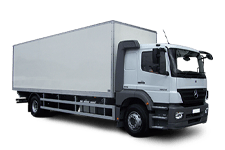
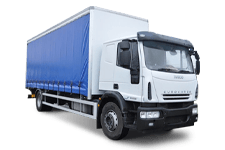
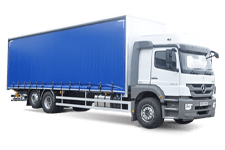
Before picking a truck, look at the payload, the loading height and how the site can be reached. Palletised goods may point towards a curtainsider or a box with a tail lift, whereas building materials and awkward loads may call for a dropside, a tipper or a specialist check. Subject to dates, driver details and availability, the range includes the Ford Luton 3.5 Tonne Box with Tail Lift, 3.5 Tonne Tipper Transit Truck, 3.5 Tonne Recovery Truck, 7.5 Tonne Box Truck With Tail Lift and 7.5 Tonne Curtain Side Truck. The exact make, model, transmission, seats, payload and licence position are all confirmed at quote stage, so treat these vehicles as a guide to the kind of hire on offer rather than a guaranteed reservation of a particular model.
Planning a Delivery Sequence
How many drops does the job actually involve, and in what order? Settling that early shapes everything else about the hire. Draft a numbered list of stops, and against each one note the items destined for that address, a named recipient and a contact number. If a recipient has specified a delivery window, record it and confirm it with them rather than relying on a message from weeks ago. Think about whether any stops depend on others, such as materials that must reach a site before work can begin there, and flag those dependencies when you enquire. Questions about access at each address, including gates or parking restrictions, belong with the people at those addresses, so ask them directly. Presenting the sequence to the team helps the discussion about vehicle choice and hire duration stay grounded in your real plan.
Separating Volume from Load Weight
Volume and weight tell you different things about a job, and noting both separately is worthwhile before you call. Estimate the total space your goods will occupy, perhaps by counting boxes and measuring the largest pieces, and then estimate their combined weight, allowing for dense materials that take up little room but add serious mass. Record the two figures side by side, along with the dimensions of anything irregularly shaped. If your estimate is rough, say so honestly when you enquire and describe the load item by item, since the team can then form their own view of what the job demands. Also note whether the load will grow during the day, for example if you are collecting as well as delivering, because that changes the picture and is worth mentioning at the outset.
Explore other truck hire areas
Things to check before booking
Go over the key points before you confirm a hire: vehicle availability, driver requirements, mileage, insurance, delivery or collection arrangements and any extras you have asked for. A commercial truck booking needs more than a date and a postcode, so make sure licence entitlement, the purpose of the hire, the route, loading equipment, access restrictions, mileage and any operator requirements are confirmed before you commit. A useful request gives the date, how long the hire will last, a rough route, the delivery or pickup address, the passengers or load you expect and any special requirements that might affect which vehicle is suitable.