
Details to confirm before a truck or lorry quote
Describe the load by weight, dimensions and packing, whether palletised, loose or crated. Ask the recipient whether unloading will be by forklift, at a loading dock or by hand, and whether their site has height, length or weight limits for delivery vehicles. Provide driver licence details and say whether the hire is for business use, so the team can confirm driver and operator requirements with you before booking.
Picking a suitable truck
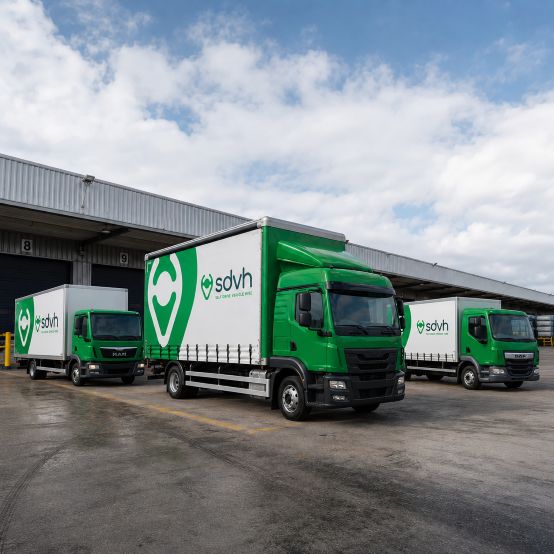
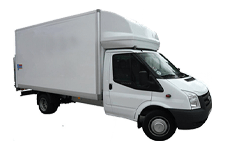
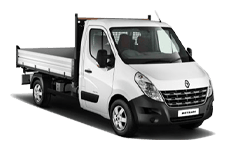
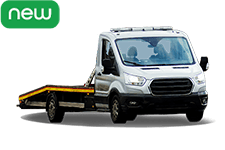
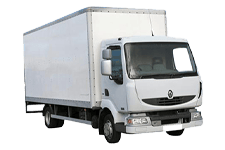
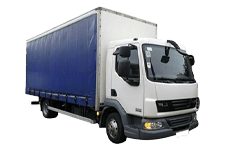
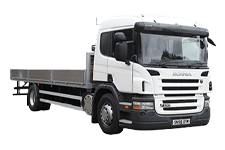
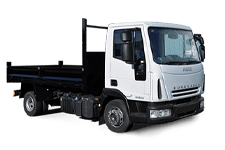
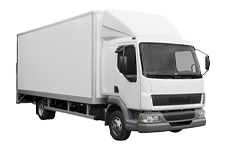
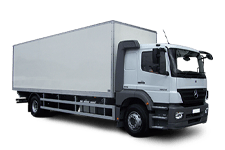
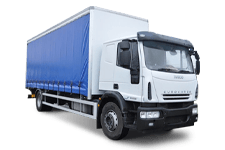
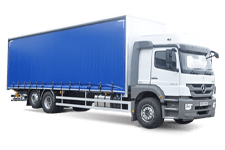
Weight, body type and access should shape your choice of truck. A tail-lift box suits heavier loads that need handling, a curtain-side works well for palletised deliveries, a dropside helps with site access, and bigger trucks may need operator licence checks. Depending on dates, driver details and availability, the range covers the Ford Luton 3.5 Tonne Box with Tail Lift, 3.5 Tonne Tipper Transit Truck, 3.5 Tonne Recovery Truck, 7.5 Tonne Box Truck With Tail Lift and 7.5 Tonne Curtain Side Truck. Because the exact make, model, transmission, seats, payload and licence position are only confirmed at quote stage, the vehicles listed show the type of hire available and are not a guaranteed reservation of a specific model.
Describing Your Load in Detail
Start by writing a clear description of what will travel on the truck. List every category of goods, from palletised stock to loose furniture, and note anything unusual such as long pipes, machinery or awkwardly shaped pieces. For each entry, record the quantity, the rough dimensions and whether the item is boxed, strapped to a pallet or loose. If some goods are fragile or must stay dry, mention that too. Where a tail-lift might be relevant, simply note which items are the heaviest, along with their approximate weights if known. Having this inventory ready means the booking conversation can cover loading method and vehicle weight with real numbers rather than estimates, and any questions the team raises can be answered on the spot instead of through several calls.
Separating Volume from Load Weight
Two numbers matter when planning a truck booking: the space your goods occupy and how much they weigh. Volume is about cubic metres, which you can estimate by multiplying each item's dimensions together and adding the results. Weight is separate, and a full load of light packaging weighs far less than a part load of dense materials. Gather both figures before you call, using delivery notes, manufacturer listings or bathroom scales for smaller boxes where practical. Note the heaviest single item as well, since that can affect which vehicle is appropriate. Keep your list of weights alongside the dimensions so the team can discuss the options that match your load, and ask directly if any figure seems uncertain or if you are unsure how to describe part of the consignment.
Explore other truck hire areas
Last checks before booking
Before you confirm your hire, check the essentials: vehicle availability, driver requirements, mileage, insurance, delivery or collection arrangements and any extras you have requested. Commercial truck hire also needs operator licence requirements, driver entitlement and delivery access confirmed, alongside mileage and insurance arrangements, before the hire is agreed. A clear request includes the date, the length of hire, the approximate route, the delivery or pickup address, the expected passengers or load, and any special requirements that could affect which vehicle is suitable.