















Sizing a van around what you are moving
List the largest items with rough length, width and height, and give an estimate of total weight, because bulk and payload limit a van in different ways. Mention anything awkward, such as a wardrobe that cannot be dismantled or long timber. Describe loading at both ends, including stairs, lift access, distance from the kerb and whether anyone will help lift.
Picking a suitable van
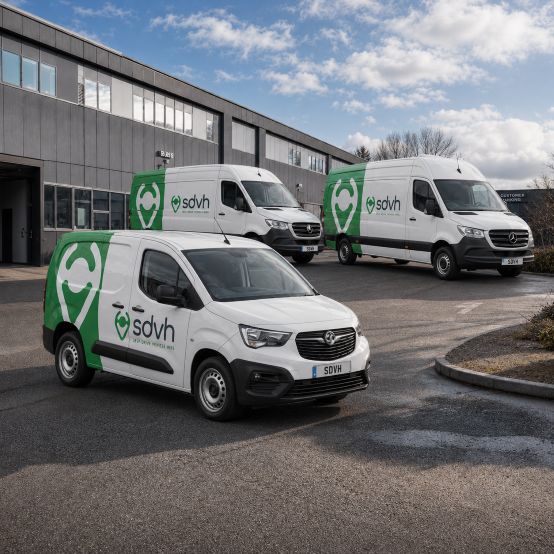
Start with the load, then choose the van. A small van works well for boxes, tools and light collections; medium and long-wheelbase vans suit furniture, stock and trade equipment; and a Luton is the better choice for bulkier items on a house move. Subject to dates, driver details and availability, the range includes the Volkswagen Caddy, Ford Transit SWB, VW Transporter Automatic, Ford Transit MWB and Ford Transit LWB. Make, model, transmission, seats, payload and licence position are all confirmed at quote stage, so treat these vehicles as a guide to the kind of hire on offer rather than a guaranteed reservation of a particular model.
Comparing One Trip with Several
Before requesting a quote, decide whether the job is best handled in a single outing or split across several. Start by listing everything that needs to move, noting each item's dimensions and the total quantity, since this record helps you weigh the options. If a single trip is preferred, note the access arrangements at both ends and any time constraints that apply. If several shorter runs seem workable, record how many might be needed and roughly when, and keep the measurements handy for each leg. Questions about vehicle availability on your chosen dates can be directed to the team. Sharing your written comparison when you ask for a quote gives them the full picture and lets them respond with the most relevant options.
Coordinating Helpers
When others are lending a hand, a little advance planning keeps the day organised. Write down who is helping, when they are available and where they will meet you, whether that is at the collection point or the first address. Record contact numbers so the group can stay in touch if timings shift, and agree who is responsible for each part of the job. If helpers are travelling separately, note their arrival estimates so the schedule reflects reality. Think about whether anyone needs a seat in the van itself, since a crew van might suit jobs where colleagues travel together. Any questions about seating arrangements or vehicle options can be raised with the team when you request the quote, alongside the hire dates and a description of what needs carrying.
Explore other van hire areas
Last checks before booking
Before the hire is confirmed, go over the key points: whether the vehicle is available, the driver requirements, mileage, insurance, the delivery or collection arrangements and any extras you have asked for. Make sure payload, loading height, tail-lift needs, driver details, deposits and insurance excess are confirmed before you settle on a van size. A clear request gives the date, the length of hire, a rough route, the delivery or pickup address, the passengers or load you expect and any special requirements that might affect which vehicle is suitable.